Toyota Under $5,000: Status and Eligibility Checks Before You Review Listings
Many shoppers may assume they qualify for a workable Toyota under $5,000, but they often miss key verification steps.
This pre-check may help you avoid wasted calls, weak listings, and cars that could fall outside your budget once documentation, repair needs, and title status are reviewed.For most buyers, access may be more limited than expected. Older age, high mileage, short listing windows, and missing records may all affect whether a used Toyota under $5,000 actually meets your qualifying criteria.
Your Pre-Check Before You Start
At this price point, most vehicles may be 15 to 25 years old and may show 150,000 to 250,000 miles. Cosmetic wear may be normal, but rust, warning lights, and missing service history could change the value quickly.
Private-party listings may offer more room for negotiation than dealer inventory. Still, you may need extra documentation checks because title issues, lien questions, and delayed maintenance may be more common.
You may also want a repair reserve before you begin. Many buyers focus on the sale price and overlook the verification step that matters most: whether they could still cover tires, fluids, brakes, or overdue service after purchase.
| Qualifying criteria | What it may mean | Verification steps |
|---|---|---|
| Purchase budget | A $5,000 cap may only cover the car if taxes, title, transport, and repairs are handled separately. | Confirm your full out-the-door ceiling and keep a 90-day repair fund. |
| Vehicle age and mileage | Most qualifying cars may be older and high mileage, especially Toyota Camry, Toyota Corolla, and Toyota Yaris examples. | Review service history, rust, and recent maintenance before you travel. |
| Documentation | Missing title records or unmatched VIN details may block registration or delay closing. | Verify clean title status, lien release, seller ID, and matching VIN numbers. |
| Listing timing | Good listings may move in short enrollment windows, especially if they include records and a clean inspection history. | Set alerts, prepare your message, and have inspection funds ready before you start. |
Which Toyota Models May Still Qualify Under $5,000
A reliable Toyota under $5,000 may still be possible, but model choice often matters. Older sedans and hatchbacks may qualify more often than trucks or newer crossovers.
Toyota Corolla
A Toyota Corolla may be one of the easiest models to verify at this budget. Higher-mileage 2003 to 2013 cars may appear in private-party listings, but you may want to check for oil use, suspension noise, and rust around the rear arches and underbody.
Toyota Yaris
A Toyota Yaris may appeal to buyers who want simple transportation and low running costs. Documentation for tires, brakes, and wheel bearings may matter more than cosmetic condition.
Toyota Matrix and Pontiac Vibe
These models may offer Corolla mechanical parts with more cargo room. You may want to verify rear hatch leaks, rust, and all-wheel-drive function if equipped.
Toyota Camry and Toyota Avalon
These cars may offer more comfort, but they may also bring extra age-related wear. On four-cylinder Toyota Camry models, oil consumption history may need close review, while older Toyota Avalon models may need timing belt documentation.
Toyota RAV4 and Toyota Sienna
These family-friendly options may occasionally fall under budget at higher mileage. Eligibility may depend heavily on rust status, transmission behavior, and whether expensive wear items have already been handled.
Toyota Prius
A Gen 2 Toyota Prius may look attractive because of fuel savings, but hybrid battery health may decide whether it qualifies for your budget. If battery records are missing, you may need to plan for an added repair reserve.
Scion xB, xA, and xD
These models may be worth checking because they often share Toyota engineering. You may want to avoid heavily modified examples unless maintenance documentation is unusually strong.
What About Toyota Trucks?
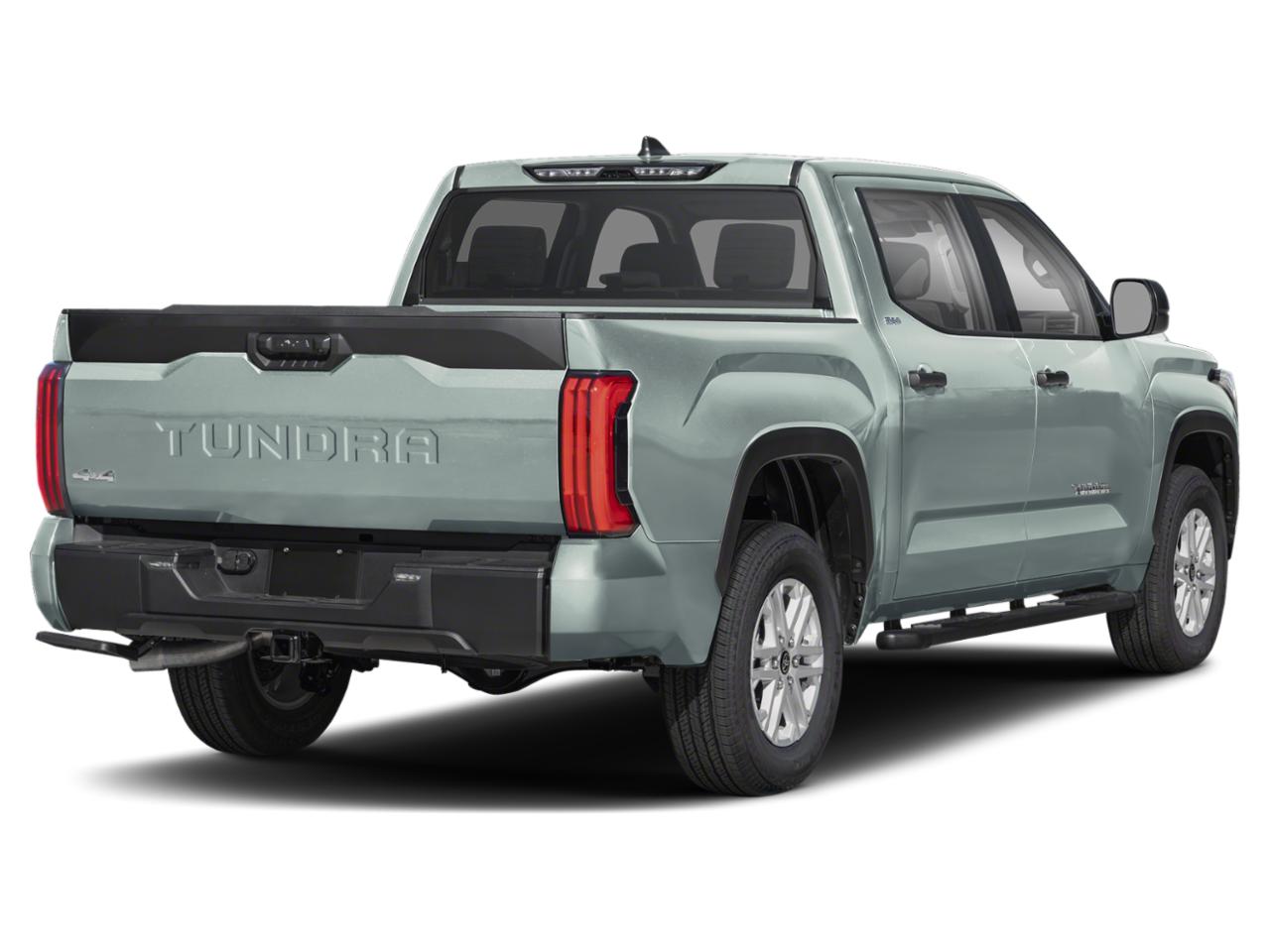
A Tacoma or Tundra under $5,000 may exist, but access may be limited by age, rust, and accident history. Frame condition may be the main verification step before anything else.
Verification Steps Before You Contact a Seller
Before you spend time on a showing, you may want to complete a basic status check. This step may filter out many weak listings early.
- Ask for the VIN: This may let you review recalls, title history, and basic vehicle data before you travel.
- Confirm title status: A clean title may simplify registration, while salvage or flood history may require more caution.
- Request service records: Oil changes, struts, brakes, tires, timing belt work, or battery replacement may support the asking price.
- Ask about warning lights: This may help you avoid cars that could need major engine, transmission, or emissions work.
- Verify seller identity: The seller name on the title should usually match the ID shown at pickup.
- Check inspection readiness: If your state requires emissions or safety review, a failed result may create extra cost.
Pre-Purchase Inspection Checklist
A pre-purchase inspection may be the most important verification step in the process. Even a low asking price may not help if rust or major repairs are found late.
- Rust first: Check rocker panels, rear wheel arches, subframes, and suspension mounting points.
- Fluids and leaks: Low oil, dirty coolant, or wet gasket areas may point to deferred maintenance.
- OBD-II scan: A low-cost scanner may reveal hidden issues before money changes hands.
- Cold start behavior: Rough idle, knocking, or misfire under load may affect eligibility for a tight budget.
- Transmission check: Harsh shifts, slipping, or delayed engagement may signal bigger repair risk.
- Suspension and brakes: Clunks, pull, or brake pulsation may increase your post-sale cost.
- Hybrid checks for Toyota Prius: Battery warnings, uneven charge display, or loud cooling fan noise may need further review.
Where to Compare Options and Check Availability
Once your pre-check is complete, you may be in a better position to compare options without wasting time. This may matter because stronger listings often move during short windows.
- Use private-party listings: Facebook Marketplace, Craigslist, OfferUp, local classifieds, and owner forums may offer better pricing.
- Search beyond one immediate location: Listings nearby, locally, and farther out may vary by hundreds or even thousands of dollars.
- Use helpful search terms: “Maintenance records,” “single owner,” “commuter,” and “needs nothing” may surface better candidates.
- Set alerts: Notifications may help you track new inventory during short enrollment windows.
- Check timing: Weekdays, poor weather, or end-of-month periods may bring less competition.
A short contact script may help with status checking: “Hi, I’m reviewing your Toyota listing. Is it still available? Could you share the VIN, maintenance records, title status, and any warning lights or known issues before I schedule a visit?”
Budget Review Before You Commit
Many buyers may underestimate total cost. A car priced under $5,000 may still fall outside your qualifying criteria after taxes, registration, transport, and repairs are added.
- Immediate maintenance: You may need $300 to $800 for fluids, filters, plugs, or baseline service.
- Tires and brakes: These items may add $400 to $900 depending on size and condition.
- Insurance and state fees: Quotes, registration, and inspection costs may need review before closing.
- Deferred repairs: Struts, control arms, wheel bearings, and batteries may affect your true purchase ceiling.
- Hybrid reserve: Toyota Prius buyers may want a separate battery fund if replacement proof is missing.
A simple spreadsheet may help you verify eligibility before you make offers. Many shoppers may find that a $4,200 car with room for repairs could fit better than a $5,000 car with no reserve left.
Final Status Check Before Payment
Closing day may still require careful verification. This step may protect you from title delays, lien problems, or ownership disputes.
- Match VIN locations: Dash, door jamb, and title numbers should usually match.
- Confirm lien release: If a lender is involved, payoff documentation may be necessary.
- Review the seller’s ID: Name and address details should usually align with the title.
- Get a signed bill of sale: Price, VIN, date, and both parties’ names may help with registration.
- Do not skip a walk-away option: If the story changes or records disappear, the listing may no longer qualify.
Check Status Before You Review Listings
If you verify your budget, documentation, inspection plan, and model targets first, you may save time and avoid weak leads. After that pre-check, you may be ready to compare options, check availability, and review listings that still fit your qualifying criteria.
 Used
Used
 Used
Used
 Used
Used
 New
New
2025 Toyota RAV4 Plug-In Hybrid XSE | 5,922 mi
Chesapeake, VA
 New
New
 New
New
Before you contact sellers, checking status may be the smartest next step. Verifying eligibility early may help you focus on the used Toyota under $5,000 listings that could actually work for you.