What to Check Before Buying a Jeep Under $10k
What to Check Before Buying a Jeep Under $10k
The easiest way to make a bad $10,000 Jeep purchase is to shop for looks before you shop for rust, drivetrain health, and maintenance history.
Jeeps under $10k can still make sense, but the good buys usually come from realistic expectations rather than luck. In this price range, you are often choosing between age, mileage, cosmetic wear, and the amount of catch-up work a vehicle may need.
For many buyers, the smarter move is to focus on condition over cosmetics. A faded Grand Cherokee with a healthy 4x4 system may be a better value than a shiny Wrangler with structural rust or a weak transmission.
Which used Jeep under $10k may fit your needs?
Brand reputation can make it easy to overpay for the wrong model. This quick comparison can help narrow your shortlist before you start calling sellers.
| Jeep model | Who it may suit and what to review first |
|---|---|
| Wrangler YJ/TJ (1991–2006) | Often chosen by buyers who want removable-top Jeep character and trail potential. Under $10k, many examples have high mileage, rust, or basic trims, so frame condition matters more than paint or lift kits. |
| Cherokee XJ (especially 1997–2001) | A strong option for buyers who want a simple, capable 4x4 with a big aftermarket. Check unibody rust, cooling system health, and whether a 2000–2001 model has had any cylinder-head issues. |
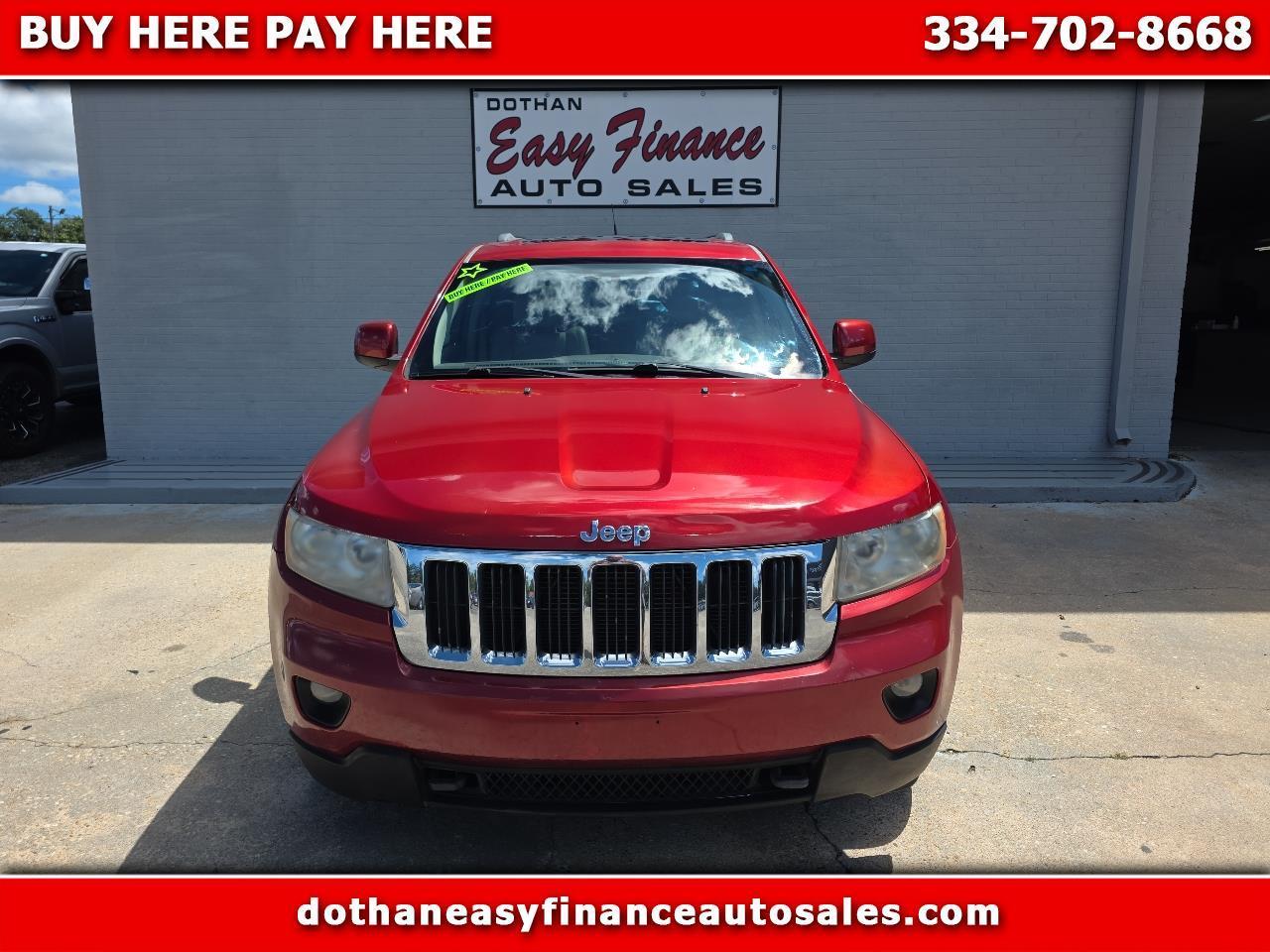
| Grand Cherokee WJ/WK (1999–2010) | Usually a better daily driver than an XJ or older Wrangler, with more comfort for highway use. Review HVAC operation, suspension wear, differential noise, and maintenance history on 4.7L V8 models. |
| Liberty KJ/KK (2002–2012) | Often a value play for buyers who want low-range 4x4 without paying Wrangler money. Front suspension wear, ball joints, window regulators, and signs of overheating deserve close attention. |
| Patriot and Compass (2007–2016) | Usually better for commuting, winter roads, and lighter trail use than heavy off-road work. Later automatics or manuals are often safer bets than early CVT-equipped versions, and AWD service history matters. |
| Commander XK (2006–2010) | May suit families who want three rows and real 4x4 capability on a budget. Watch for electrical issues, sunroof drain leaks, suspension wear, and whether transmission service has been kept up. |
If your budget is firm, the Grand Cherokee, Liberty, Patriot, and Commander often give you more vehicle per dollar than a Wrangler. The Wrangler badge still holds value, so many sub-$10k listings come with tradeoffs that are easy to underestimate.
What matters more than mileage on a Jeep under $10k?
Rust and structure
Rust can turn a cheap Jeep into an expensive project fast. On a Wrangler, look closely at the frame, rear control arm areas, skid plate crossmember, and body mounts; on a Cherokee XJ, Grand Cherokee, Liberty, Patriot, or Compass, pay extra attention to unibody rails, floor pans, rocker panels, spring mounts, and brake lines.
Surface rust is one thing. Structural corrosion, poor patch work, and fresh undercoating that seems designed to hide damage are different issues.
Engine, transmission, and 4x4 operation
A solid powertrain usually matters more than trim level or aftermarket accessories. During a cold start and test drive, listen for knocking, watch for smoke, and make sure the transmission shifts cleanly without slipping or delayed engagement.
The 4x4 system should engage and disengage properly in 4HI and 4LO. If a seller avoids demonstrating that function, that is worth taking seriously.
Cooling system history
Cooling issues show up across several older Jeep models, especially when maintenance has been delayed. A steady temperature gauge, no sweet coolant smell, and records for radiator, thermostat, water pump, or hose service can all be good signs.
Overheating history may matter more than odometer reading. That is especially true on engines with known sensitivity to neglected cooling systems.
Modifications
A mildly upgraded used Jeep can be fine, but heavily modified builds often deserve more skepticism at this price point. Cheap lifts, oversized tires without gearing changes, steering wobble, and vague answers about who installed parts can all signal future repair bills.
For many shoppers, stock or lightly modified examples are the safer buy. You can always add recovery gear, armor, or better tires later if the base vehicle is healthy.
Model-by-model notes worth checking
Wrangler YJ/TJ (1991–2006)
Wranglers under $10k are possible, but many come with high mileage, a four-cylinder engine, cosmetic wear, or rust concerns. The 4.0L inline-6 has a long reputation for durability, but a good engine does not cancel out a weak frame.
- Inspect the frame near rear control arm mounts, body mounts, and skid plate areas.
- Check soft-top condition, transfer case function, and signs of cooling system leaks.
- A clean, rust-light TJ below $10k may exist, but it often sells quickly or comes with 180k to 250k miles.
Cherokee XJ (especially 1997–2001)
The Cherokee XJ remains one of the strongest budget Jeep options for buyers who want a simple, capable 4x4. The 4.0L I6 is widely respected, and parts support is still good.
- Focus on floor pans, rocker panels, rear leaf spring mounts, frame rails, and cooling system condition.
- Steering play, axle seal leaks, and worn suspension parts are common on tired examples.
- Some 2000–2001 XJs used the 0331 head casting, which can crack after overheating, so service history matters.
Grand Cherokee WJ and WK (1999–2010)
If you want more comfort, better highway manners, and easier daily use, a Grand Cherokee often makes more sense than chasing an entry-price Wrangler. WJ models with the 4.0L can be appealing for buyers who value simplicity, while 4.7L V8 models need stronger maintenance documentation.
- Test HVAC controls carefully because blend door failures are common.
- Listen for differential whine and check driveshaft CVs, bushings, and front-end wear.
- Quadra-Drive can work very well, but neglected service can make repairs more involved.
Liberty KJ/KK (2002–2012)
The Liberty can be one of the more overlooked ways to get real 4x4 capability under $10k. It lacks the Wrangler image premium, which can leave room in the budget for tires, fluids, and suspension work.
- Look closely at front suspension parts, steering feel, and any signs of overheating on the 3.7L V6.
- Window regulators are a known nuisance, but they are usually not a deal-breaker by themselves.
- Evidence of regular fluid changes may be more valuable than a polished exterior.
Patriot and Compass (2007–2016)
These models are usually a better fit for commuters and winter drivers than for heavy trail use. With the right setup, including Freedom Drive II on certain Patriots, they can still handle rougher conditions than many compact crossovers.
- Early CVT behavior deserves extra caution, especially if you notice whining, slipping, or delayed response.
- Later 6-speed automatics or manuals are often easier choices for risk-conscious shoppers.
- Review AWD service history and check for rust on vehicles that spent years in snowy climates.
Commander XK (2006–2010)
The Commander can make sense for buyers who need more space and still want Jeep-style 4x4 hardware. Fuel economy and repair complexity can be higher than on smaller options, so it helps to buy with a maintenance reserve.
- Check sunroof drains, electrical accessories, suspension wear, and transmission service history.
- The 5.7 Hemi occasionally dips below $10k, but usually only with very high mileage or condition issues.
- Three rows and winter confidence can make this a strong value if the inspection is clean.
How much should you budget beyond the sticker price?
A modest reconditioning budget is not optional for most Jeeps in this price range. Setting aside roughly 10% to 20% of the purchase price for catch-up maintenance can reduce the odds of buying a Jeep you cannot comfortably sort out.
- All-terrain tires often run about $700 to $1,100 for a quality set.
- Full fluid service may land around $250 to $500, depending on what the vehicle needs.
- Brakes can cost roughly $250 to $600.
- A suspension refresh may range from about $400 to $1,200 depending on parts and scope.
Fuel economy is another cost many buyers underestimate. Many older Jeeps return around 15 to 20 mpg, and insurance costs can vary by model, theft rates in your area, and whether the vehicle is a Wrangler or a more common SUV.
Where can you find a used Jeep under $10k?
The lowest advertised price is not always the best starting point. The goal is to find the cleanest ownership history you can within budget, even if that means expanding your search area or being patient.
- Private sellers on Facebook Marketplace, Craigslist, and OfferUp may offer the most negotiating room.
- Jeep clubs, forums, and enthusiast groups can sometimes surface better-maintained rigs with documented work.
- Dealer back-lot specials may include older trades that the store wants to move quickly.
- Government and fleet auctions may have basic trims with stronger service records than their interiors suggest.
In some cases, rural listings may bring lower prices and less rust than vehicles that spent years in harsher road-salt conditions. Even so, inspection still matters because farm and trail use can create a different kind of wear.
 Used
Used
 Used
Used
Used
Used
 Used
Used
 Used
Used
 Used
Used
A fast pre-purchase checklist before you commit
Quick triage
- Start it cold and listen for knocking, rough idle, smoke, or ticking that does not fade.
- Drive long enough to confirm steady coolant temperature and normal shifting.
- Engage 4HI and 4LO if conditions allow, and verify the system comes back out cleanly.
- Scan for OBD-II codes, especially repeat catalyst, EVAP, or misfire issues.
- Check tire date codes and uneven wear, which can point to alignment or suspension problems.
Deeper review
- Ask for records covering oil, transmission, differential, transfer case, and cooling system service.
- Inspect for leaks at the valve cover, rear main seal area, transmission pan, transfer case, and differential pinion seals.
- Look at tie rods, track bar play, ball joints, shocks, and control arm bushings.
- Test windows, gauges, HVAC, and any sunroof drains or power accessories.
- Be cautious with salvage-title vehicles unless the discount is steep and the repair history is unusually well documented.
How to negotiate without missing the point
Negotiation works better when it is tied to real inspection findings rather than a random low offer. Screenshot comparable listings, note tire tread, fluid leaks, dead accessories, or rust concerns, and explain how those items affect your number.
Timing can help, too. Soft-top Wranglers may be easier to buy in colder months, and larger SUVs such as the Commander can become more negotiable when fuel prices rise.
If you have cash or a preapproval, some sellers may take you more seriously. Just do not let readiness turn into pressure to buy a Jeep with vague history or structural rust.
When should you walk away?
Walking away is often the most important skill in the sub-$10k Jeep market. A seller who cannot explain maintenance, refuses a proper test drive, or hides rust is usually giving you useful information.
- Walk from structural rust unless you fully understand the repair scope.
- Walk from overheating signs without strong records showing the issue was corrected properly.
- Walk from major 4x4 faults if the seller prices the Jeep as though everything works.
- Walk from badly modified rigs if you cannot verify parts, installation quality, and alignment.
Bottom line
Jeeps under $10k are still out there, but the stronger buys usually come from careful inspection rather than badge loyalty. For many shoppers, the sweet spot is a Cherokee XJ, Grand Cherokee WJ, Liberty, or a later Patriot with the right drivetrain history.
If you keep your focus on rust, cooling, 4x4 operation, and deferred maintenance, you can often find a used Jeep that fits both your budget and how you actually plan to use it. If the numbers only work when you ignore repairs, it may be smarter to keep shopping.